
Fitness means all sorts of things, to all sorts of people, with all sorts of goals and ideals.
Our goals center on moving through high wild places. Our ideal is the version of ourselves that moves through those places confidently, competently, and enjoyably.
For our thing, success depends enormously on three kinds of fitness. Others are of little or no importance – or could even be counterproductive. We spend almost all of our training time on what matters most.

All Day Endurance
Demand: Go all day, day after day, under load, with energy in reserve.
Adaptation: Big low-intensity aerobic engine, structural durability.
Training Modes: Low-angle low- intensity hiking, rucking, or trail running; long big-mountain days; leg-intensive cross training.
Progressive Overload: Gradually increase duration, volume, “time on feet” in Zones 1-2.
Priority: 70-80% of training time.
Potential Challenge: Available time.

Mountain Legs
Demand: Climb and descend thousands of vertical feet with confidence and control.
Adaptation: Mid-intensity endurance and structural stability; propulsive and braking power.
Training Modes: Hiking, rucking, power hiking, or trail running on steep terrain; hill repeats; incline treadmills; step mills; stairs; single leg training.
Progressive Overload: Gradually increase grade and vertical in sustained climbing (Zones 2-3) and controlled descending (Zones 1-2). Increase work bouts and decrease rest intervals in interval training.
Priority: 15-20% of training time.
Potential Challenge: Available terrain.
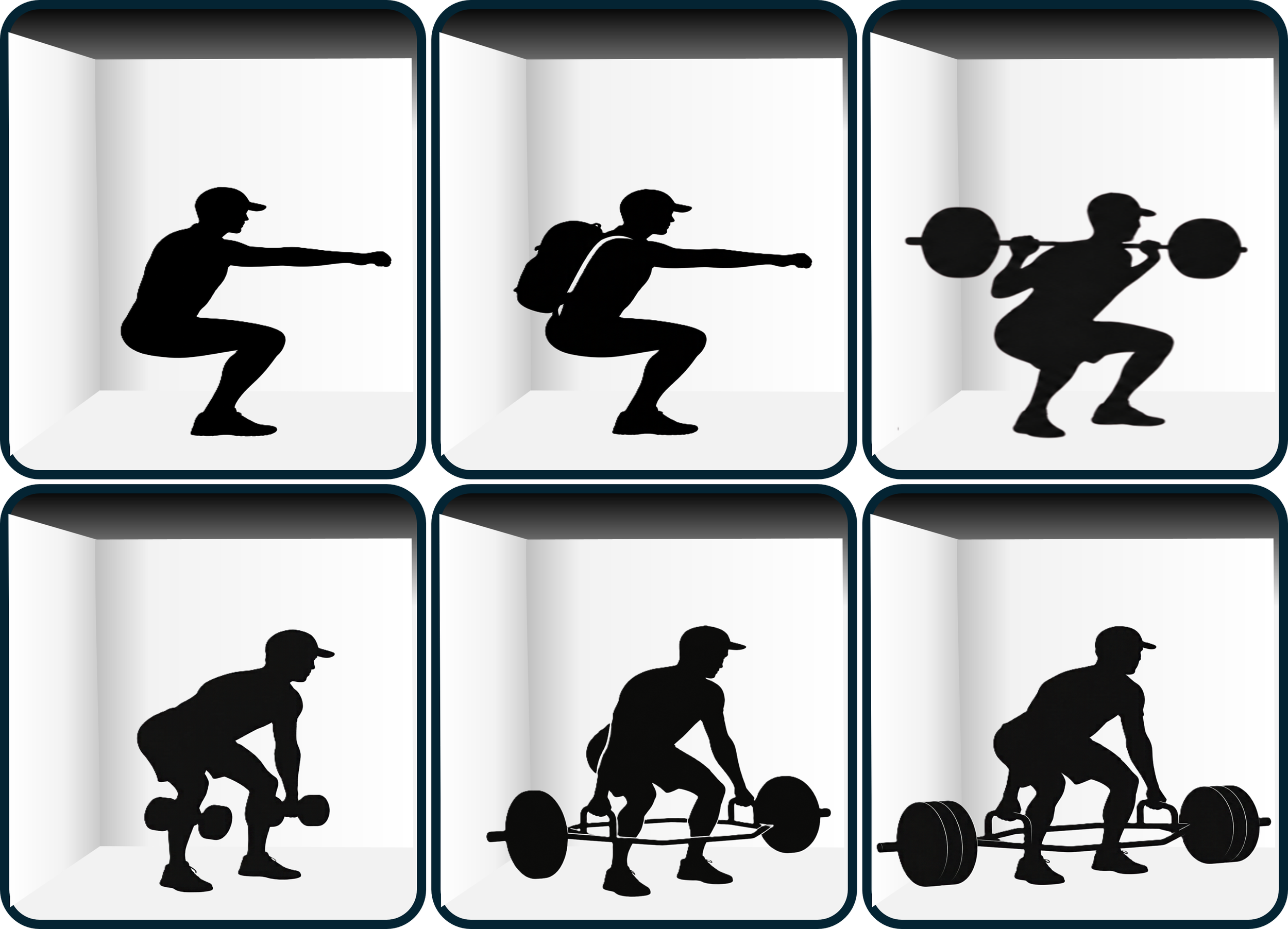
Chassis Strength
Demand: Apply propulsive and braking forces; withstand impact and destabilizing forces.
Adaptation: Musculoskeletal strength, power, and coordination.
Training Modes: Targeted resistance training.
Progressive Overload: Gradually increase force production via load, speed, repetitions, and/or exercise variation.
Priority: 10-15% of training time.
Potential Challenge: Available equipment.
When limited training resources - time, terrain, or equipment - pose challenges, consult a coach who knows how to mitigate and make the most of the time, terrain, and equipment you have. Don’t let the perfect get in the way of the good. Access to long trails, steep terrain, and strength training equipment is ideal - but we can get much, much fitter regardless of limited availability of any of those resources.
Bottom Line
Running out of gas or breaking down at high altitude, miles from civilization is no fun and dangerous.
How about we opt for fun and safety instead?
Spend your precious training time building a bottomless gas tank, steep terrain proficiency, and a strong, durable chassis - the fitness that actually matters in the mountains.
